
Informações gerais
DESCRIÇÃO
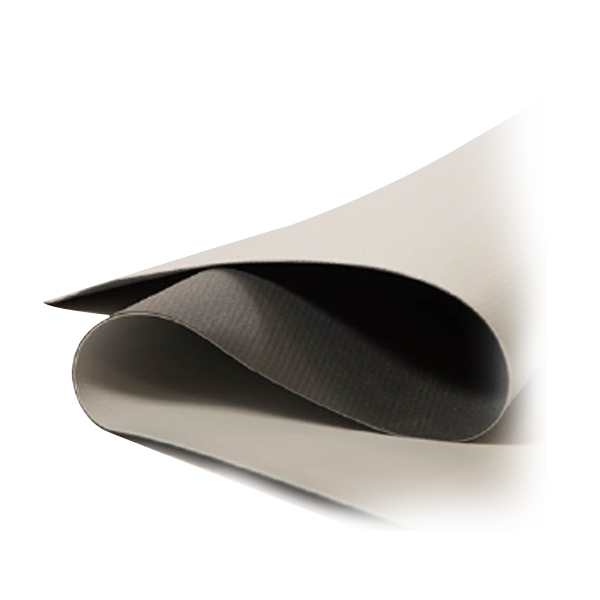
Manta PVC Viapol cobertura é uma membrana impermeabilizante sintética em PVC-P reforçada com tela de poliéster de alto desempenho, resistente aos raios ultravioletas, para impermeabilização de lajes de cobertura sem proteção mecânica.
CERTIFICAÇÕES
- Certificação QMS de acordo com a ISO 9001.
- Em conformidade com os requisitos para a marcação CE, conforme a norma EN 13956.
CARACTERÍSTICA TÉCNICAS
|
CARACTERÍSTICAS |
NORMA EN |
UNIDADE |
TOLERÂNCIA |
VALORES |
|
|
Espessura |
EN 1849-2 |
mm |
-5 /+5% |
1,5 |
|
|
Planicidade |
EN 1848-2 |
mm |
≤ |
10 |
|
|
Massa por unidade de área |
EN 1849-2 |
kg/m² |
-5 /+10% |
1,80 |
|
|
Estanqueidade (400 kPa) |
EM 1928-B |
- |
- |
Absoluta |
|
|
Resistência ao fogo |
EN 13501-1 |
Euroclass |
- |
Classe E |
|
|
Resistência das articulações
|
|||||
|
• Descamação |
EN 12316-2 |
N/5cm |
≥ |
260 |
|
|
• Tração |
EN 12317-2 |
N/5cm |
≥ |
1000 / 1000 |
|
|
Resistência a tração
|
|||||
|
• Resistência L/T |
EN 12311-2/A |
N/mm² |
≥ |
1000 / 1000 |
|
|
• Alongamento na ruptura L/T |
EN 12311-2/A |
% |
≥ |
15 / 20 |
|
|
Resistência ao impacto – método A |
EN 12691/A |
mm |
≥ |
1000 |
1250 |
|
Resistência ao impacto – método B |
EN 12691/B |
mm |
≥ |
2000 |
|
|
Resistência a carga estática |
EN 12730-B |
kg |
≥ |
20 |
|
|
Resistência a rasgo |
EN 12310-2 |
N |
≥ |
200 / 220 |
|
|
Resistência das raízes |
EN 13948 |
- |
- |
Aprovado |
|
|
Estabilidade dimensional |
EN 1107/2 |
% |
+ |
≤ 0,5 |
|
|
Flexibilidade a baixa temperatura |
EM 495-5 |
°C |
≤ |
-25 |
|
|
Resistência UV |
1297-5000 h |
- |
- |
Aprovado |
|
|
Resistência a vapor |
EN 1931 |
μ |
+ 30% |
15000 |
|
NORMAS
- EN 1848-2: Flexible sheets for waterproofing - Determination of length, width, straightness and flatness - Part 2: Plastic and rubber sheets for roof waterproofing;
- EN 1849-2 - Flexible sheets for waterproofing - Determination of thickness and mass per unit area - Part 2: Plastics and rubber sheets for roof waterproofing;
- EN 1850-2: Flexible sheets for waterproofing - Determination of visible defects - Part 2: Plastic and rubber sheets for roof waterproofing;
- EN 495-5 - Flexible sheets for waterproofing. Determination of foldability at low temperature Plastic and rubber sheets for roof waterproofing;
- UNI EN 12311-2 - Determinazione delle proprietà a trazione - Parte 2: Membrane di gomma e di materiale plastico per l'impermeabilizzazione di coperture;
- EN 1107/2 - Determinazione della stabilità dimensionale – Parte 2: Fogli di plastica e gomma per l’impermeabilizzazione delle coperture;
- EN 1928 - Bitumen, plastic and rubber sheets for roof waterproofing - Determination of watertightness;
- EN 12691 - Flexible sheets for waterproofing. Bitumen, plastic and rubber sheets for roof waterproofing. Determination of resistance to impact;
- UNI EN 12310-2 - Determination of resistance to tearing (nail shank). Plastic and rubber sheets for roof waterproofing;
- EN 12316-2: Flexible sheets for waterproofing - Determination of peel resistance of joints - Part 2: Plastic and rubber sheets for roof waterproofing;
- EN 12317-2: Flexible sheets for waterproofing - Determination of shear resistance of joints - Part 2: Plastic and rubber sheets for roof waterproofing;
- UNI EN 1931 - Membrane bituminose, di materiale plastico e di gomma per l'impermeabilizzazione di coperture - Determinazione delle proprietà di trasmissione del vapore d'acqua;
- EN 13501-1 Classificazione al fuoco per tutti i prodotti e componenti. Secondo questa norma, la reazione al fuoco è la condizione in cui un prodotto contribuisce alla sua decomposizione sotto un determinato incendio (da non confondere con la resistenza al fuoco). Parte 1: Classificazione al fuoco dei prodotti da costruzione e degli elementi strutturali;
- EN 13948: Flexible sheets for waterproofing. Bitumen, plastic and rubber sheets for roof waterproofing. Determination of resistance to root penetration;
- DIN EN 12730- Flexible sheets for waterproofing - Bitumen, plastic and rubber sheets for roof waterproofing - Determination of resistance to static loading.
VANTAGENS
- Flexibilidade e soldabilidade;
- Excelente resistência a intempéries e radiação UV;
- Resistência à baixa temperatura;
- Alta resistência a impactos;
- Excelente estabilidade dimensional.
UTILIZAÇÃO
É indicada para impermeabilização de:
- Lajes de cobertura expostas
